Last updated: July 27, 2026. Gear models, availability, prices and safety guidance can change. Treat the original post as field notes from that time and verify current product details before buying or packing.
Last reviewed: July 14, 2026. This checklist is general guidance for short hikes in Atlantic Canada; adjust it for weather, season, route, group and local conditions.
A two-hour hike sounds simple, and most of the time it is. The problem is that short hikes are exactly where people are tempted to carry almost nothing. In Atlantic Canada, a quick walk can still include wet trails, wind, fog, insects, poor cell coverage or a delayed return.
The Practical Short-Hike Carry
- Water and a small snack.
- Rain shell or wind layer.
- Phone with offline map or saved route.
- Small first aid kit.
- Headlamp, even if you expect to be done before dark.
- Whistle and basic emergency contact information.
- Warm layer in shoulder seasons.
- Bug protection when conditions call for it.
Navigation
For a familiar local trail, a phone map may be enough. For new trails, confusing junctions or weak cell coverage, bring a GPS, downloaded maps or a printed route. Save the trailhead as a waypoint before leaving the vehicle.
Communication
Tell someone where you are going if the hike is remote or the weather is poor. For areas without reliable cell coverage, a satellite communicator can be worth carrying even on shorter hikes, especially when hiking alone.
Related AvoidingChores Guides
- How to prepare your GPS for a hike
- How to prepare satellite communicator contacts before a trip
- Camping gear checklist for wet Atlantic Canada weekends
- Garmin maps: free vs paid options for handheld GPS users
- Estimate distance without a GPS using map, compass and pacing
Bottom Line
For a two-hour hike, the goal is not to carry a heavy pack. It is to carry enough that rain, a wrong turn, a dead phone or a late return stays manageable.
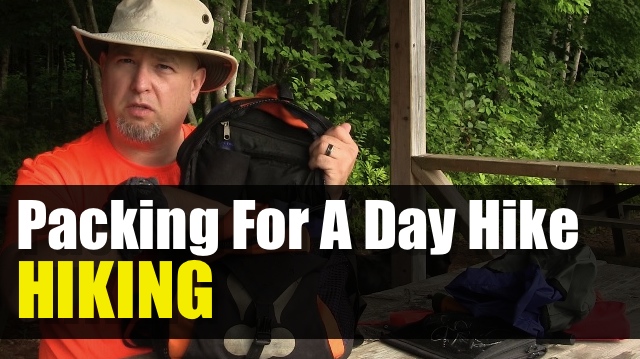
Original Two-Hour Hike Gear Video
This original video is preserved from the earlier gear-list version of the article.
Current References
- AdventureSmart outdoor essentials
- Leave No Trace Canada
- Health Canada winter recreation safety
- CBSA travel and import information
Related Avoiding Chores Links
- What To Carry For A Two-Hour Hike In Atlantic Canada
- What To Pack For A Day Hike
- Camping Gear Checklist For Wet Atlantic Canada Weekends
- Spyderco And CRKT Folding Knives Review
- Nova Scotia Hiking Trail Guide
- What To Carry For A Two-Hour Hike In Atlantic Canada
- Garmin Maps: Paid vs Free
- How To Prepare Your GPS For A Hike