Affiliate Disclosure
This article may contain affiliate links. If you buy through those links, AvoidingChores.com may earn a commission at no extra cost to you. Recommendations should be based on practical use, research and relevance to Canadian outdoor users.
What This Checklist Is For
Camping in Atlantic Canada is rarely just a dry-weather gear exercise. A weekend can start with sun, turn into fog, cool off overnight and end with a damp tent that has to be packed back into the vehicle before the drive home.
This checklist is built for practical weekend camping in Nova Scotia, New Brunswick, Prince Edward Island, Newfoundland and Labrador, and nearby Canadian travel areas. It is not an ultralight backpacking list. It is for campers who want to stay dry, sleep comfortably, cook safely and keep camp from turning into a pile of wet gear.
The main idea is simple: pack so wet things and dry things do not have to fight for the same space.
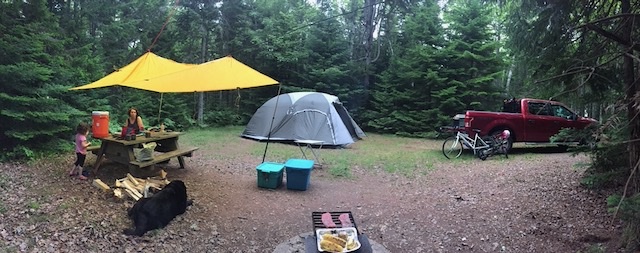
Caption: A tarp over the picnic table gives you a dry working area before the rest of camp gets unpacked.
Before You Pack
Start with the trip conditions, not the gear bin.
- Check the forecast, including overnight lows, wind and rain timing.
- Confirm campsite access, check-in time and reservation details.
- Check current fire restrictions and local campground rules.
- Look at the ground conditions if the area has had recent rain.
- Decide whether you are tent camping, vehicle camping, staying at a serviced site or heading somewhere more basic.
- Make a plan for drying gear after the trip.
Campfire rules, park access and fire bans can change quickly. Check official provincial, park or campground sources close to the day you travel.
Quick Checklist
Use this as the simple packing pass before digging into the details.
- Tent with full rainfly.
- Groundsheet or footprint.
- Tarp, rope and extra stakes.
- Sleeping bag and sleeping pad.
- Dry sleep clothes.
- Rain jacket and extra socks.
- Stove, fuel and a backup meal.
- Water jug and water bottle.
- Headlamp, lantern and charging gear.
- First aid kit.
- Offline maps or campground map.
- Garbage bags, dry bags or storage totes.
- Bug protection.
- Change of clothes for the drive home.
Shelter And Camp Setup
Shelter is where wet-weather camping is won or lost. A good rain jacket helps, but a dry place to cook, change footwear and organize gear often matters more over a full weekend.
Pack:
- Tent with a full rainfly.
- Groundsheet or footprint sized so it does not stick out past the tent floor.
- Extra tarp for a cooking, sitting or gear-sorting area.
- Paracord, guyline or rope.
- Stakes suited to soft or rocky ground.
- Small repair kit for fabric, poles and guyline.
- Compact broom, cloth or small towel for the tent entrance.
Avoid letting the groundsheet extend beyond the tent floor. Exposed edges can catch rain and move water under the tent, which is exactly the sort of small mistake that feels bigger at 2:00 a.m.
If rain is likely, pack the tarp near the top of the vehicle or tote. Getting the tarp up first gives you a dry working area before the rest of camp gets unpacked.
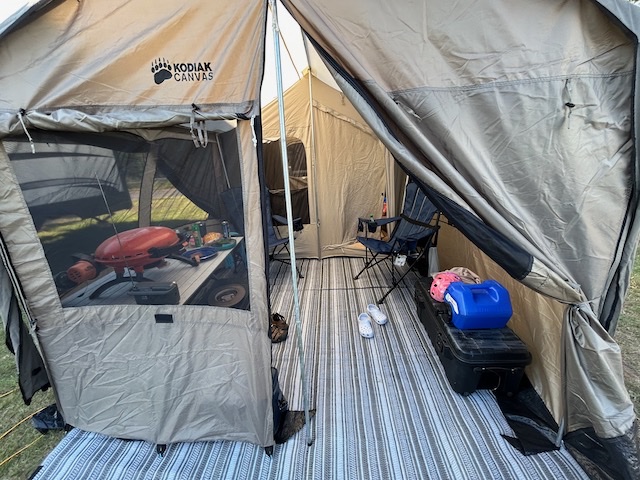
Caption: A covered entrance area makes it easier to keep footwear, water jugs and storage totes out of the sleeping space.
Sleep System
Damp air can make a mild forecast feel colder than expected. The goal is to keep sleeping gear protected until bedtime and avoid carrying moisture into the tent.
Pack:
- Sleeping bag rated for the expected overnight low.
- Sleeping pad or air mattress with enough ground insulation.
- Dry sleep clothes in a separate bag.
- Pillow or packed clothing used as a pillow.
- Extra blanket for shoulder-season trips.
- Waterproof or water-resistant bag for sleep gear.
Keep one set of clothes that is only for sleeping. Do not wear it around camp, and do not let it get mixed with wet socks, rain gear or muddy layers.
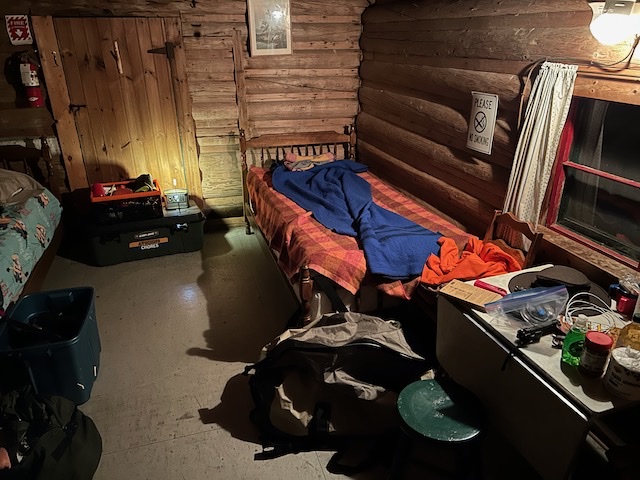
Caption: Even in a cabin or roofed shelter, keeping sleep gear and wet gear separated makes the trip easier.
Clothing For Wet Weekends
Atlantic Canada camping often means damp mornings, cool evenings and wet footwear. Cotton can be uncomfortable once it is wet and slow to dry in damp air, so wool or synthetic layers are usually more forgiving.
Pack:
- Rain jacket.
- Rain pants for longer wet periods or campsite chores.
- Warm mid-layer.
- Synthetic or wool base layer.
- Extra socks.
- Camp shoes or sandals.
- Waterproof boots or footwear suited to mud.
- Hat or toque depending on the season.
- Gloves for cool or wet evenings.
- Separate bag for wet clothing.
The extra socks are not optional. Wet feet can sour an otherwise decent weekend in a hurry.
Cooking And Food
Treat the campfire as optional, especially during wet weather or fire restrictions. A stove gives you a dependable way to boil water, make coffee and cook a simple meal even when the firewood is wet or open flames are restricted.
Pack:
- Stove and fuel.
- Lighter and waterproof matches.
- Cook pot, pan or kettle.
- Mug, bowl, plate and utensils.
- Cooler or food storage bin.
- Dish soap, scrubber and towel.
- Garbage bags.
- Water jug.
- Coffee or tea setup if that is part of the trip.
- Backup meal that does not require much preparation.
Check current food storage rules for the campground or park you are visiting. Some places have specific rules around wildlife, cooking areas, grey water, garbage and open fires.
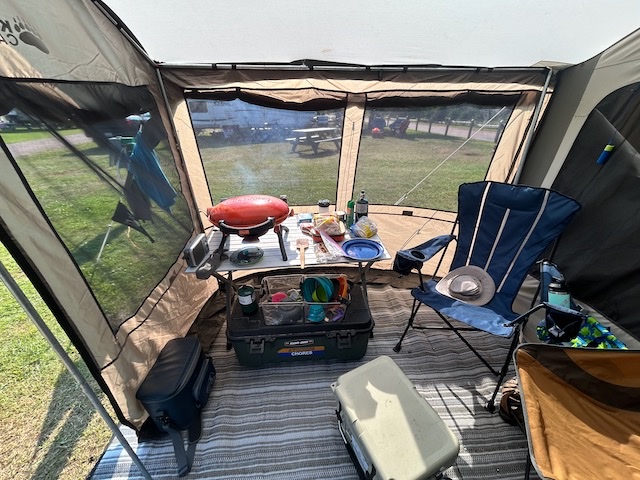
Caption: A simple covered kitchen setup keeps cooking gear organized when the weather changes.
Lighting And Power
Rainy campsites get dark earlier under tree cover, and a wet tent setup takes longer than expected. Hands-free light is worth packing for every person.
Pack:
- Headlamp for each person.
- Lantern for the cooking or tarp area.
- Spare batteries or power bank.
- Charging cable for phone, GPS or satellite communicator.
- Vehicle charger.
Put one headlamp somewhere you can reach before camp is fully unpacked. That small habit saves time if you arrive late or the weather turns while setting up.
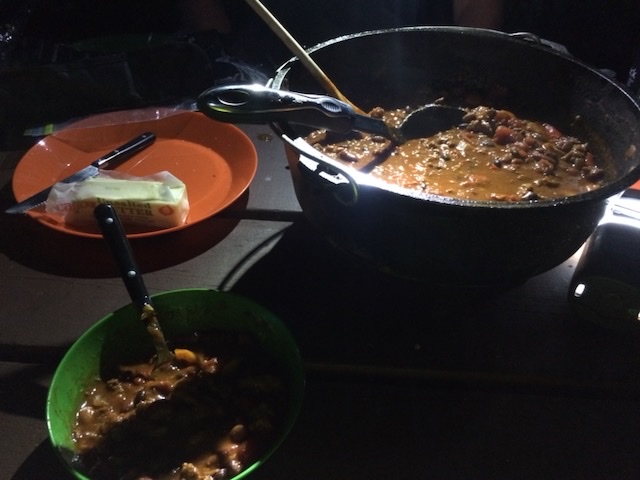
Caption: Hands-free lighting and a dependable cooking setup matter once the site gets dark.
Navigation And Communication
For a serviced campground, navigation may be as simple as a campground map and a charged phone. For more remote sites, back roads, paddling access or hiking from camp, treat navigation and communication as part of the plan.
Pack:
- Phone with offline maps saved.
- Paper map or campground map.
- Handheld GPS if travelling away from marked campground areas.
- Satellite communicator if travelling beyond dependable cellular coverage.
- Written emergency contact information.
Useful related AvoidingChores guides:
- What Do You Carry For a 2 Hour Hike?
- How To Prepare Your GPS For A Hike
- Garmin Maps: Paid vs Free
- How To Prepare Satellite Communicator Contacts Before A Trip
- What To Pack For A Remote ATV Ride In Atlantic Canada
- Nova Scotia Hiking Trail Guide
Comfort Items That Matter More In Rain
Some comfort items look optional on a perfect weekend. They become practical when the ground is damp and people are stuck under a tarp for the evening.
Pack:
- Compact camp chair.
- Small doormat, foam pad or towel at the tent entrance.
- Dry bag or tote for clean clothing.
- Extra garbage bags.
- Microfibre towel.
- Bug protection.
- Small folding table if vehicle camping.
- Book, cards or offline entertainment for long rainy evenings.
The point is not to bring every possible convenience. It is to keep the campsite organized enough that wet gear, muddy footwear and cooking supplies do not all end up in the same heap.
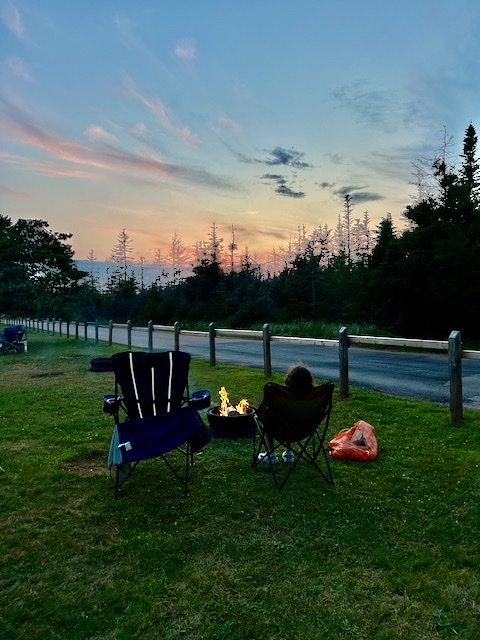
Caption: Campfires are worth treating as optional, but a comfortable dry seating area still matters on damp evenings.
Packing Method
Pack in the order you will need things.
- Put rain gear where it can be reached from the vehicle.
- Pack the tarp, rope and stakes near the top.
- Keep dry sleeping gear in its own protected bag.
- Separate clean clothing from wet or muddy gear.
- Put kitchen gear in one tote.
- Keep lighting and power cables in an easy-to-find pouch.
- Keep a clean change of clothes separate for the drive home.
- Pack garbage bags and wet-gear bags where they are easy to grab.
- After the trip, dry the tent, tarp and sleeping gear before storage.
A simple tote system helps. One tote for kitchen gear, one for shelter setup and one for dry clothing is easier to manage than a dozen loose bags.
Troubleshooting Wet-Camping Problems
| Problem | Likely cause | What to try |
|---|---|---|
| Water under the tent | Groundsheet exposed or poor site drainage | Tuck the groundsheet under the tent footprint and choose higher ground |
| Damp sleeping bag | Moisture from clothing or tent walls | Keep sleep clothes separate and avoid pressing gear against tent walls |
| Cold night despite a mild forecast | Damp air, wind or weak ground insulation | Add a warmer layer, improve ground insulation and keep sleep gear dry |
| Wet firewood | Rain, fog or campground storage | Use a stove and treat campfires as optional |
| Mud inside the tent | No entrance system | Use a mat, towel or footwear zone outside the sleeping area |
| Dead phone or headlamp | Cold, long evenings or forgotten charging | Carry a power bank, spare batteries and a vehicle charger |
Common Mistakes
- Packing rain gear where it cannot be reached quickly.
- Forgetting that the second morning may be wetter than the first night.
- Relying on a campfire for cooking.
- Packing only one pair of dry socks.
- Letting wet clothes mix with sleep clothes.
- Forgetting a dry change of clothes for the drive home.
- Storing a tent while damp after returning home.
Final Thought
Wet camping is not automatically bad camping. It just rewards a different style of packing. If you can keep sleep gear dry, cook without depending on a fire and manage muddy footwear before it reaches the tent, a rainy Atlantic Canada weekend becomes much easier to handle.