
Affiliate Disclosure
This article may contain affiliate links. If you buy through those links, AvoidingChores.com may earn a commission at no extra cost to you. Recommendations should be based on practical use, current fitment information and Jim's confirmed ownership experience.
The Practical Problem With Can-Am Defender Accessories
The Can-Am Defender is easy to accessorize. That is part of the appeal, but it also makes the first shopping list get expensive in a hurry.
If you are buying a Defender for trail riding, snow clearing, property work, hunting, camp access or family outings, the useful accessories are usually the ones that solve simple problems:
- staying out of the wind and weather
- recovering the machine when conditions get messy
- seeing around and behind the vehicle
- carrying tools, clothing and recovery gear securely
- mounting navigation and communication gear where it is actually usable
- making winter jobs less frustrating
- adding comfort and audio without locking the machine into one setup
This guide is not a list of every accessory available. It is a practical upgrade order for Canadian owners who want the machine to be more useful without turning the build into a catalogue exercise.
Last reviewed: August 1, 2026. Accessory fitment, prices, stock and package contents can change. Check your exact model year, trim and VIN before ordering parts.
What Jim Has Already Covered On AvoidingChores
Existing AvoidingChores Defender content gives this guide a useful starting point.
In the earlier 2022 Defender DPS HD7 accessory video, Jim described choosing the base DPS Defender trim as an all-round utility and recreation machine instead of starting with a more expensive trim such as an XT, Limited or full-cab package. The point was not to avoid accessories entirely. It was to start with the lower trim and customize the machine around the riding, property work, weather and budget priorities that mattered first.
That earlier video identified a useful starting point: the DPS trim had power steering, but not much in the way of included accessories beyond the passenger-side storage tote. The first accessory Jim added himself was the driver-side storage container for recovery straps and quick-access gear. The roof and BRP winch were installed through the dealer, and the first round of owner-installed additions also included a rear-view mirror, rear windscreen, dash nets and a full polycarbonate windshield.
In the four-month review, Jim noted that the Defender had been useful around the house for cleanup and landscaping while also working well as a trail machine. The same review called out comfort, storage capacity and the ability to customize the machine for different activities.
Those older posts are worth preserving because they contain the real ownership context. This article should act as the updated, easier-to-scan version: what still makes sense, what depends on use case and what should be verified before buying.
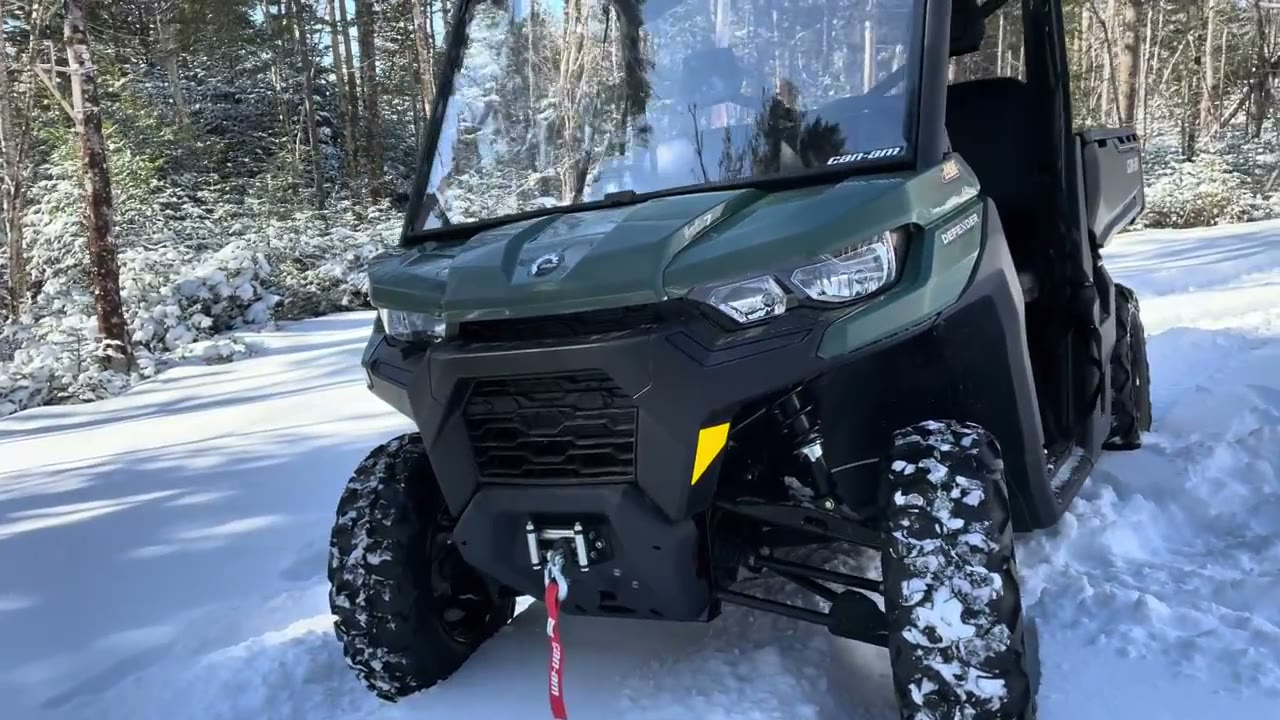
Caption: Starting with the base DPS trim left room to add the accessories that matched the way the Defender was actually being used.
Start With Use Case, Not The Accessory Catalogue
Before buying accessories, decide what job the Defender has to do most often.
For property work, the first upgrades usually lean toward weather protection, winch use, cargo control, lighting and seasonal attachments.
For trail riding, the priority shifts toward windshield choice, mirrors, recovery gear, storage, GPS mounting, satellite communication and spare layers.
For winter use, the important questions are windshield and wiper setup, cab enclosure, plow setup, heated grips, battery condition and whether you are clearing gravel, pavement or a mix of both.
For longer back-road travel, storage, navigation, communications, tire repair and recovery gear matter more than appearance upgrades.
That is why starting with the base DPS trim can make sense. A higher trim may include factory comfort features, but it can also push the owner toward a package that may not match the way the machine will actually be used. With the base DPS approach, the build can happen in stages: add the essentials first, then add comfort, audio, winter protection or storage once the real use pattern is clear.
The best upgrade is the one that removes a real annoyance from the way you already use the machine.
Suggested Upgrade Priority: What To Add First
1. Roof
A roof is one of the first Defender accessories to consider if your machine did not come with one.
It helps with rain, sun, snow, falling branches and the general comfort of passengers. It also creates a better foundation for future accessories such as lighting, overhead storage, audio, electrical switches or cab components.
For Canadian use, a roof is less about making the machine look finished and more about making it usable in changing weather. In Jim's first accessory walkthrough, the roof was treated as close to essential, even though it was still an extra cost on the DPS build.
Useful for:
- trail riding in mixed weather
- property work
- snow clearing
- passengers
- future cab or lighting upgrades
Watch for:
- compatibility with windshield and rear-panel choices
- whether future wiring will need roof-specific cables
- clearance if the machine is stored in a garage, shed or trailer
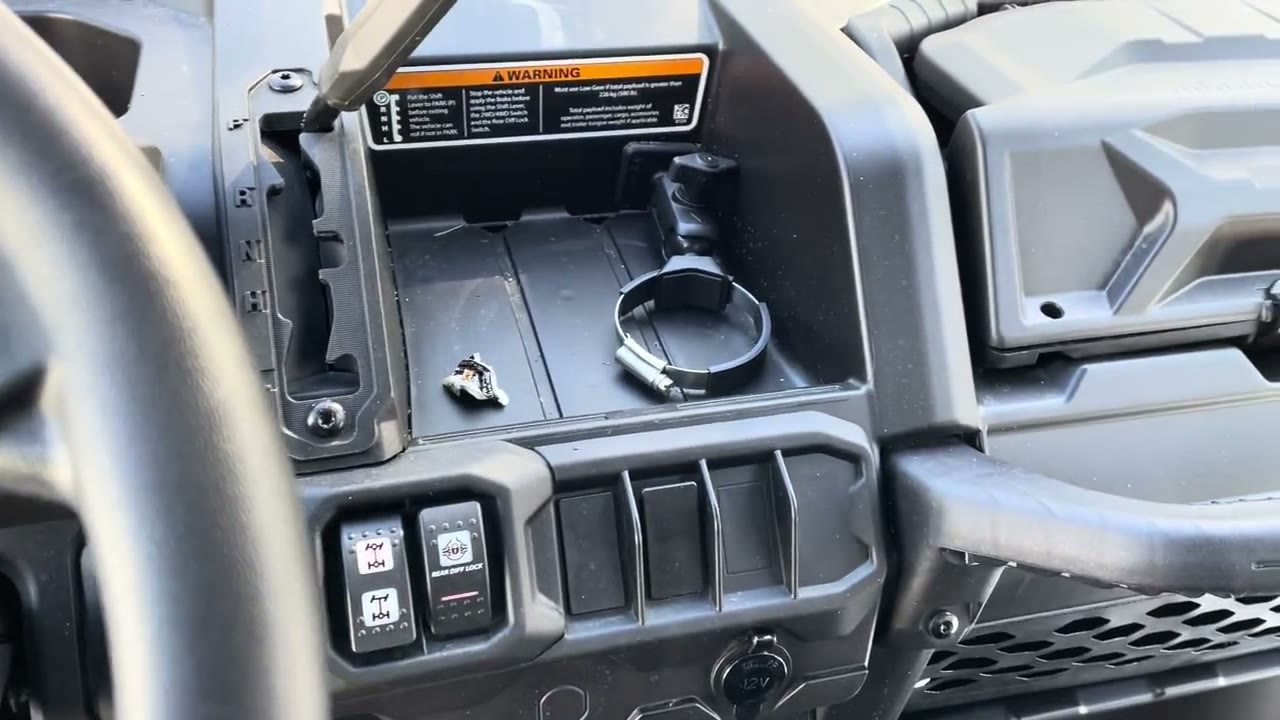
Caption: Leaving room for switches, mounts and future wiring is one reason to think about the accessory plan in stages.
2. Winch And Basic Recovery Gear
A winch is not only for mud. It can help with snow clearing, awkward property jobs, dragging small obstacles, loading and self-recovery.
Can-Am currently lists several side-by-side winch options and Defender-compatible winch products through its official Canadian store. Some current Defender trims also include a winch from the factory, so check your package before buying one separately. On Jim's DPS build, the winch was one of the dealer-installed accessories chosen at purchase.
The winch itself is only part of the recovery setup. You still need the supporting gear to use it safely and effectively.
Carry:
- gloves
- tree saver strap
- soft shackles or appropriate shackles
- tow strap
- recovery damper if appropriate
- compact shovel
- tire repair kit
- air compressor
- basic tools
Useful for:
- solo rides where help may not be nearby
- snow and driveway work
- rough, wet or rutted trails
- property cleanup
Watch for:
- rated capacity
- synthetic cable versus steel cable
- mounting kit compatibility
- battery condition
- safe anchor points
Visibility And Weather Protection
3. Mirrors
Mirrors are one of those accessories that seem minor until you use the machine around driveways, trail intersections, tight woods, road crossings or a group ride.
A centre mirror can be enough for many owners. Side mirrors are useful when backing up, checking a trailer, watching passengers behind you or riding around other machines.
Useful for:
- backing up
- road crossings
- group rides
- trailer or utility work
- tight camp or yard manoeuvres
Watch for:
- vibration
- folding design for tight trails
- windshield and door compatibility
- visibility once passengers, cargo or rear accessories are installed
4. Windshield
A windshield can be a game changer, especially in cold wind, rain, dust and branchy trails. The trade-off is airflow, dust circulation, fogging, scratching and cleaning.
The choice usually comes down to half windshield, full polycarbonate windshield, flip windshield, glass windshield or a windshield with wiper and washer support.
For mild trail riding, a half windshield or vented setup may be enough. For colder weather, winter work or high-speed gravel roads, a full windshield becomes more useful. For wet snow, freezing rain, mud and winter road spray, a wiper setup may be worth considering, but it adds cost and fitment complexity.
Can-Am's current official accessory listings include full, half, flip, glass, hard-coated and wiper/washer windshield options for Defender models. Some wiper kits require specific windshield and power-cable combinations, so fitment should be checked carefully before ordering.
Jim's first setup used a full polycarbonate windshield after considering soft vinyl and glass options. The transcript notes that the windshield made a noticeable difference, but it also left open the later decision of whether a full enclosed cab or doors were needed for Maritime winter use. After more riding, the four-month review added a useful caution: a basic polycarbonate windshield can still need wiping on misty days, so a windshield with a wiper is worth considering if the machine will be used regularly in wet or winter conditions.
Useful for:
- cold-weather riding
- rain and branch protection
- long trail days
- winter work
- passenger comfort
Watch for:
- fogging
- dust swirl
- scratch resistance
- wiper compatibility
- roof and power-cable requirements
5. Rear Wind Protection
After adding a front windshield, some owners notice wind swirl, dust or cold air from behind. A rear windscreen, soft rear window or rear glass panel can help depending on the build.
This is a good example of an accessory that may not need to be bought immediately. It becomes easier to judge after a few rides with the front windshield installed.
Useful for:
- cold-weather comfort
- reducing wind on the back of the neck
- reducing some dust or swirl
- completing a partial cab setup
Watch for:
- airflow changes
- dust behaviour
- compatibility with roof and doors
- whether you need easy seasonal removal
Storage And Organization
6. Under-Seat And Dash Storage
The Defender already has useful storage potential, but loose items can still end up sliding around the cab or bed.
Small storage upgrades can be more useful than they look:
- under-seat bins
- dash nets
- glove-box or passenger storage
- small tool pouch
- waterproof dry bag
- labelled cargo totes
The goal is to have recovery gear, gloves, tools, first aid and navigation accessories stored where they are easy to find. In the original accessory walkthrough, the driver-side storage container was one of Jim's first owner-installed accessories because it gave him a place for recovery straps and quick-access trail gear. In the four-month review, the rear bed and storage bins were also part of what made the Defender useful for property work, trail days and carrying outdoor gear.
Useful for:
- recovery kit storage
- wet clothing separation
- trail tools
- camera or GPS accessories
- keeping the cab less cluttered
Watch for:
- whether the bin has a lid
- drainage and water exposure
- access while wearing gloves
- whether the seat or cab layout changes by model year
7. Bed Tie-Downs, Cargo Nets And Boxes
The Defender bed is one of the machine's strengths, but cargo still needs to be secured.
For trail riding, a simple cargo net, straps and a dedicated recovery tote may be enough. For hunting, work, camping or longer travel, a lockable or weather-resistant cargo box may be worth the space.
Can-Am's current accessory store shows cargo and LinQ storage options for Defender models, including modular boxes, cooler boxes, racks, cargo nets and rack systems. These are fitment-sensitive and prices can change, so verify the exact part against your machine before buying.
Useful for:
- chainsaw or tool transport
- camping gear
- groceries or supplies
- recovery gear
- keeping wet gear separate from dry gear
Watch for:
- whether the bed still dumps
- box height and rear visibility
- water resistance
- how quickly the setup can be removed
- whether it blocks other accessories
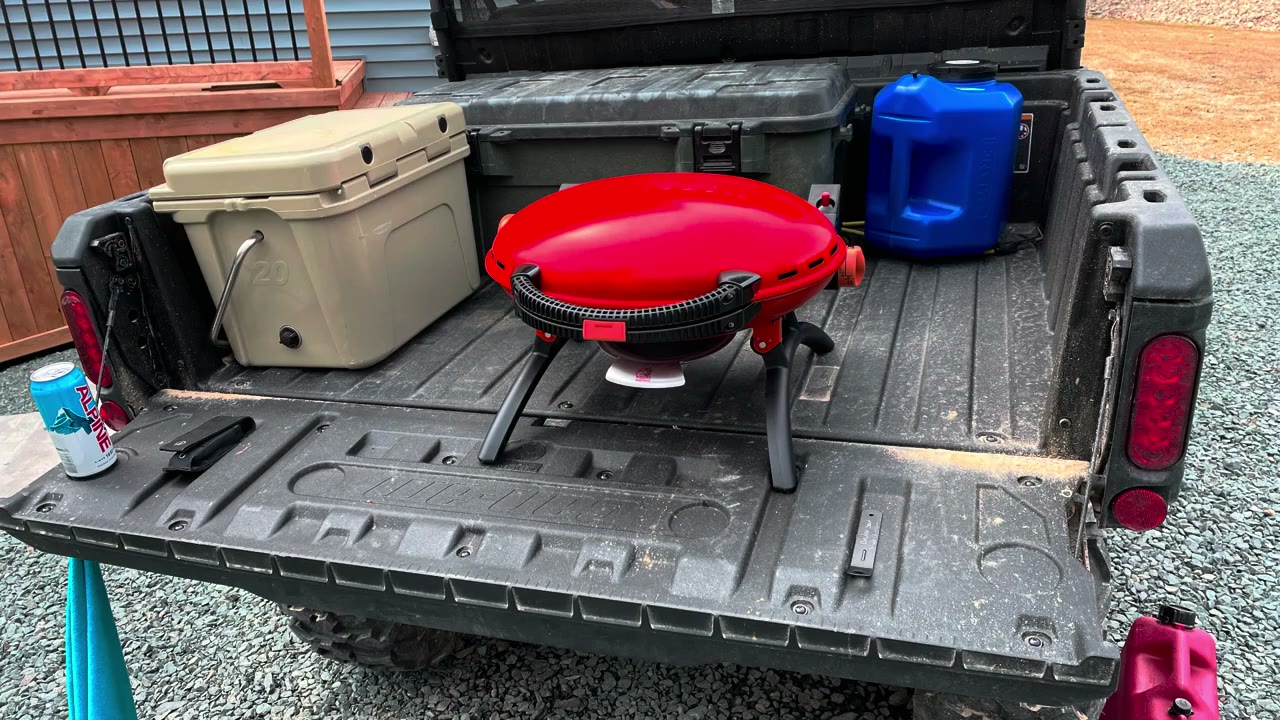
Caption: Bed storage should stay flexible enough for camping gear, tools, fuel, recovery gear or property work.
Navigation, Communication And Power
8. GPS Mount
If you ride back roads, logging roads, ATV trails or unfamiliar areas, a proper GPS mount is more than a convenience.
Jim has already covered Garmin Tread installation and Garmin GPS mounting options for the Can-Am Defender. Those articles are good supporting reads because they explain why a dash-level mount and keyed power can be useful.
For many riders, the ideal setup is:
- GPS mounted where it can be seen without blocking the view
- keyed power so the device does not drain the battery
- cable routing that does not snag
- offline maps prepared before the ride
- a backup navigation option
In the Garmin Tread install video, the supplied pipe-clamp style mount was not the best fit once the Defender's full windshield and roll-cage layout were considered. Jim used a RAM mount plate in the dash area, routed power through the shifter/dash area and confirmed the GPS was charging from the side-by-side. In the follow-up GPS mount locations video, that RAM-style setup also left room to swap between a Garmin Tread, handheld Garmin units or other RAM-mounted devices.
Useful for:
- ATV route planning
- back-road exploring
- group rides
- trail access checking
- keeping the phone protected
Watch for:
- glare
- vibration
- whether the mount blocks switches or storage
- phone overheating or weather exposure
- battery drain if wired incorrectly
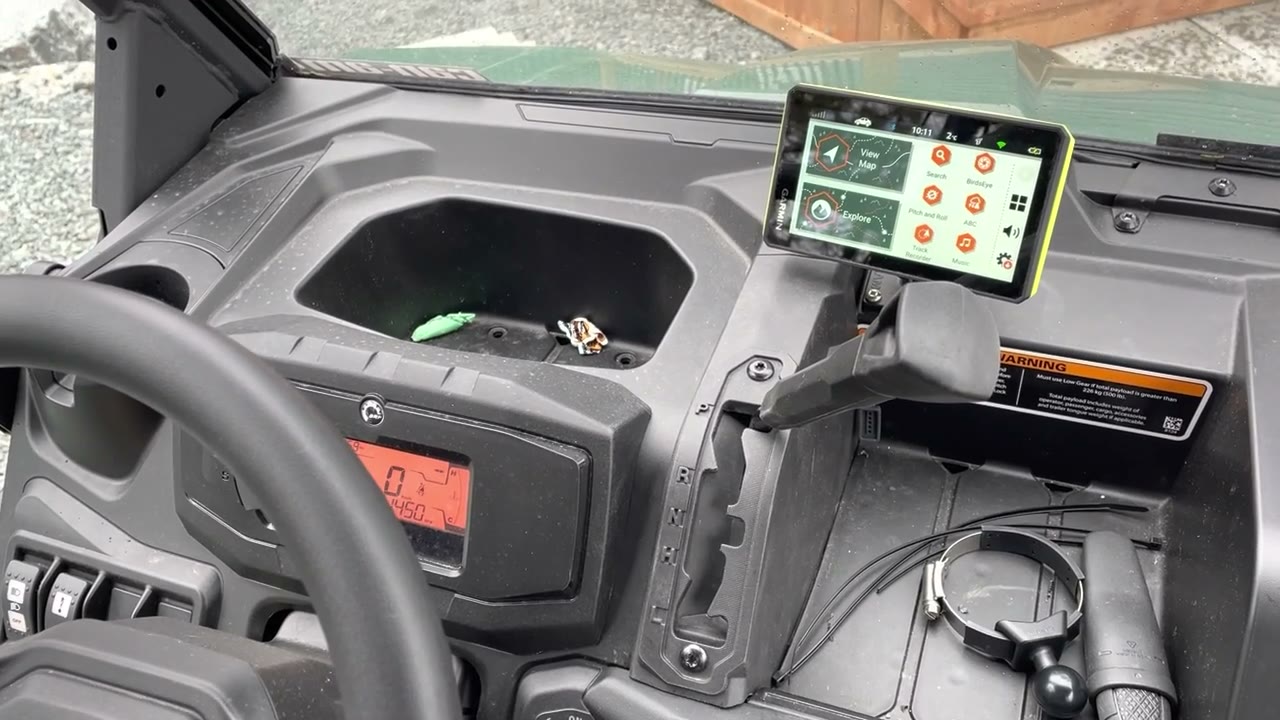
Caption: A dash-mounted Garmin Tread keeps navigation visible without relying only on a phone.
Related guides:
- How To Install Garmin Tread On 2022 BRP Can-Am Defender HD7
- Garmin GPS Mounting Options For Side By Side Can-Am Defender
- Finding Trail Access And Difficulty Information On Garmin Tread
9. Satellite Communicator Or Radio Plan
This is not a Defender accessory in the catalogue sense, but it belongs in the machine if you ride outside dependable cellular coverage.
A Garmin inReach, ZOLEO or similar satellite communicator can give you check-ins and SOS capability when your phone has no service. Radios can also help in a group, but they are not a replacement for emergency communication.
Useful for:
- solo rides
- remote trail systems
- family check-ins
- emergency planning
- areas with spotty cellular service
Watch for:
- subscription status
- emergency contacts
- device battery
- where the device is stored or mounted
- whether passengers know how to use it
Related guides:
- What To Pack For A Remote ATV Ride In Atlantic Canada
- How To Prepare Satellite Communicator Contacts Before A Trip
10. Audio System
Audio is not a must-have for every Defender owner, but it can be a worthwhile comfort upgrade if you spend long days on back roads, work around the property or use the machine for relaxed trail rides.
Based on Jim's latest notes, the Defender now has a BOSS audio system installed. That makes audio worth covering as an actual installed accessory rather than leaving it in the "nice-to-have" pile. The four-month review also mentioned earlier Bluetooth speaker use, so the article can frame audio as something that evolved from a simple portable solution into a more permanent machine accessory.
The important point is flexibility: an audio setup should add comfort without blocking storage, interfering with sightlines, making wiring messy or making the machine harder to clean. It also needs to play nicely with the roof, windshield, rear accessory bar, soft doors and any future cab pieces.
Useful for:
- longer rides
- property work
- camp access
- relaxed trail days
- passengers
Watch for:
- waterproof or weather-resistant rating
- speaker and soundbar placement
- switch and wiring layout
- battery draw
- volume etiquette on shared trails and near campsites
- whether the audio system interferes with roof, windshield, rear panel or soft-door fitment
Lighting, Winter Work And Protection
11. Lighting
Lighting upgrades can help for plowing, late arrivals, camp use and backing up in the dark. They are less urgent if you mostly ride in daylight.
Think about task lighting before simply adding the biggest light bar available.
The LED worklight video is useful because it shows the real install problem: mounting the light was only part of the job. Jim used the BRP rear accessory bar, a prewired harness, switches and fuse protection, then had to decide how to route the wire cleanly through the machine. The transcript notes that the wiring did not easily fish through the tubing, so he routed it behind the seat, through the centre area and up toward the dash switch location.
Useful lighting upgrades may include:
- rear work light
- forward light bar
- interior dome light
- portable work light
- reflective markings on tools or recovery gear
Watch for:
- legal use on roads
- glare in snow, fog or rain
- switch placement
- battery draw
- waterproof connectors
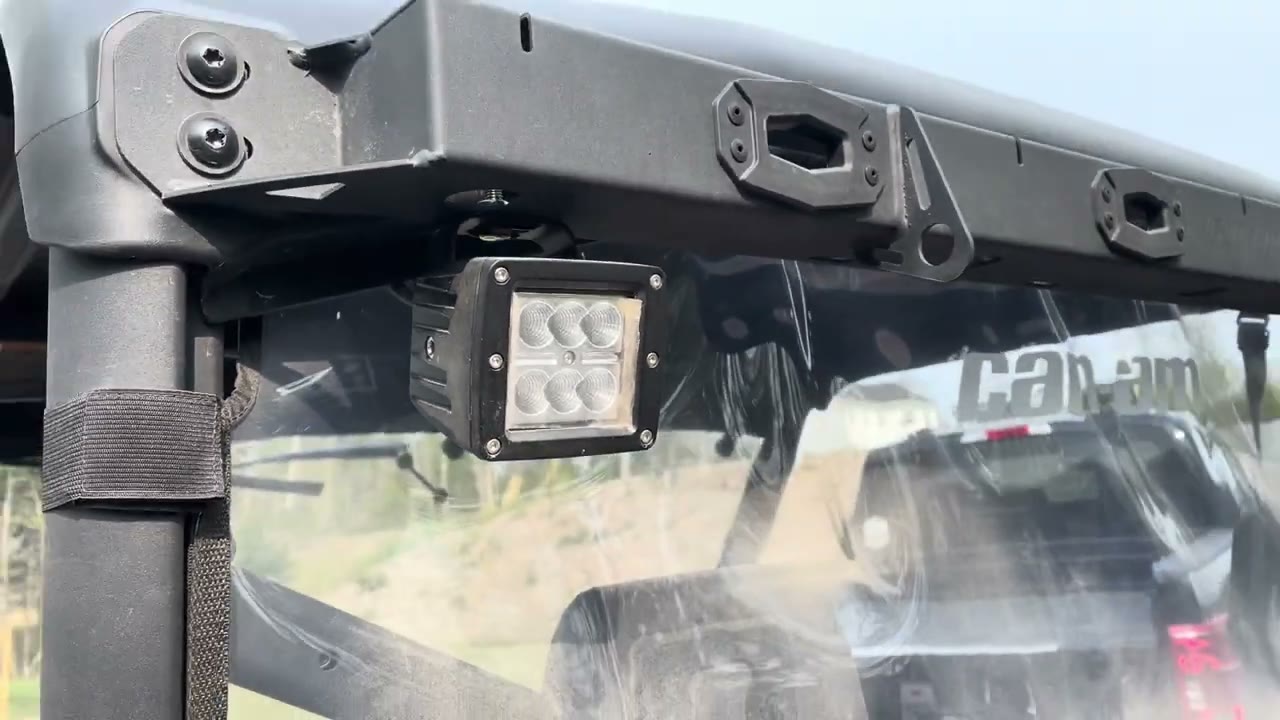
Caption: Rear work lighting is a practical upgrade if the machine is used after dark or around a campsite, trailer or driveway.
12. Snow Plow Setup
For owners who clear snow, a plow can turn the Defender into a serious winter tool. It also introduces a learning curve.
Jim's earlier plow post covered first-time use on a Nova Scotia driveway with slope, gravel and freeze-thaw conditions. That is a useful reminder that plowing is not only about blade width. Surface type, ground freeze, angle, traction and snow depth all matter.
The Promount install video also adds useful setup context. Jim had the winch already installed, chose the steel blade option for that setup and worked through the blade, push frame and support plate. The support plate could be installed from ground level on his fairly stock machine, but the instructions covered multiple configurations, which made careful reading important.
Useful for:
- driveways
- camp roads
- yard access
- light property maintenance
Watch for:
- gravel driveways before freeze-up
- blade angle
- winch wear
- traction
- where snow banks will build through the season
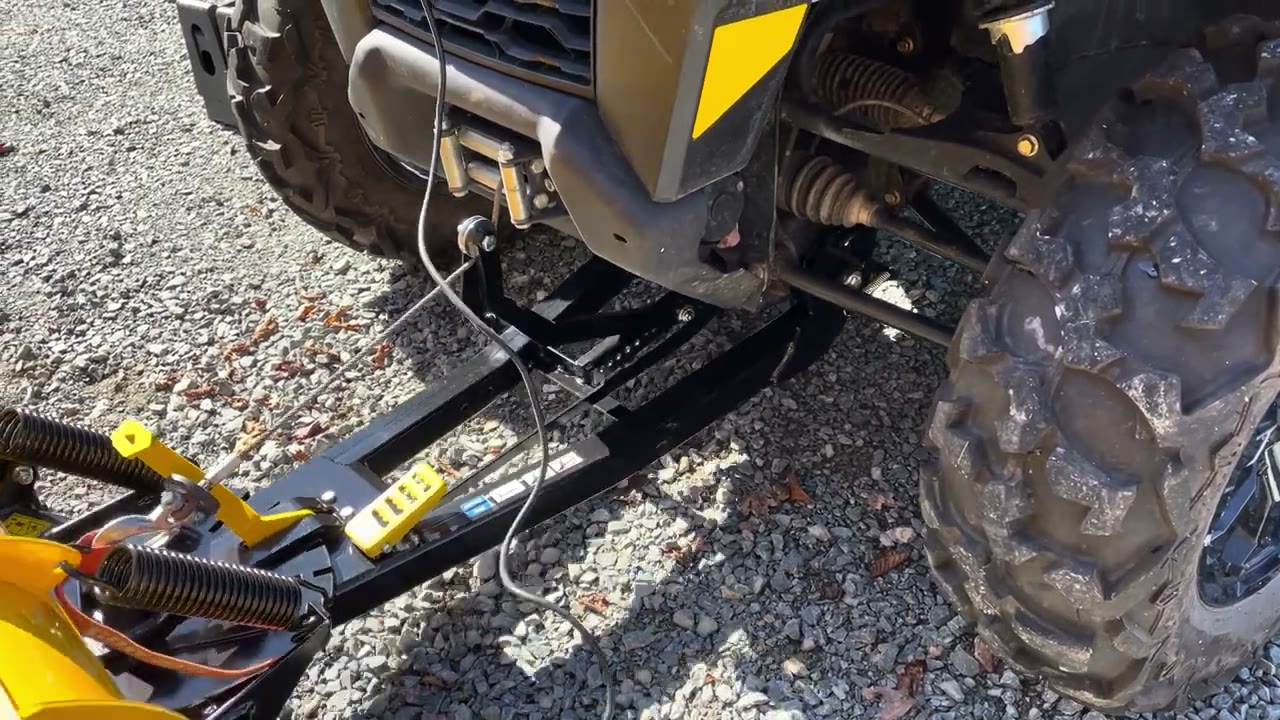
Caption: A plow turns the Defender into a winter tool, but gravel, slope and freeze-thaw conditions still matter.
Related guide:
13. Rear Accessory Bar
The rear accessory bar is another upgrade that is easy to overlook until you start carrying more gear or adding rear-mounted equipment.
For a utility side-by-side, the rear area often becomes the place for cargo, tools, lighting, storage and seasonal gear. A rear accessory bar can create a cleaner mounting point while helping keep add-ons from becoming a jumble of straps and improvised brackets.
In Jim's LED worklight install, the BRP rear accessory bar was the foundation for adding the rear work lights. That makes it less of a cosmetic add-on and more of a mounting platform for practical accessories.
Useful for:
- rear lighting
- mounting or organizing accessories
- keeping the cargo area more flexible
- utility work
- winter or shoulder-season setup changes
Watch for:
- bed access
- dump-bed clearance
- rear visibility
- compatibility with cargo boxes, bed racks, soft panels or doors
- whether it creates snag points around brush or cargo
14. Soft Full Doors For Cold Weather
Soft full doors can make the Defender more usable in cold weather without committing to a full premium cab package from day one.
This fits the base DPS approach well. Instead of buying a higher trim mainly for cab comfort, you can start with the simpler machine and add seasonal protection when winter or cold-weather riding proves it is needed.
The HD7 versus HD9 comparison video helps explain the trade-off. The cab-equipped machine stayed cleaner inside, had doors, a glass rear panel and heater-related changes, and was a few decibels quieter in a simple comparison. The open DPS setup kept the machine simpler and more flexible, but it also meant accepting more dust, wind and weather. Soft doors sit between those two approaches: more protection than an open cab, less commitment than starting with a full cab package.
Soft doors are especially worth discussing for:
- cold-weather trail rides
- snow plowing
- shoulder-season camp access
- keeping wind off passengers
- reducing spray and slush inside the cab
Watch for:
- installation and removal time
- zipper and window durability
- fogging
- fitment with roof, windshield and rear panel
- summer storage
- visibility at road crossings or tight trails
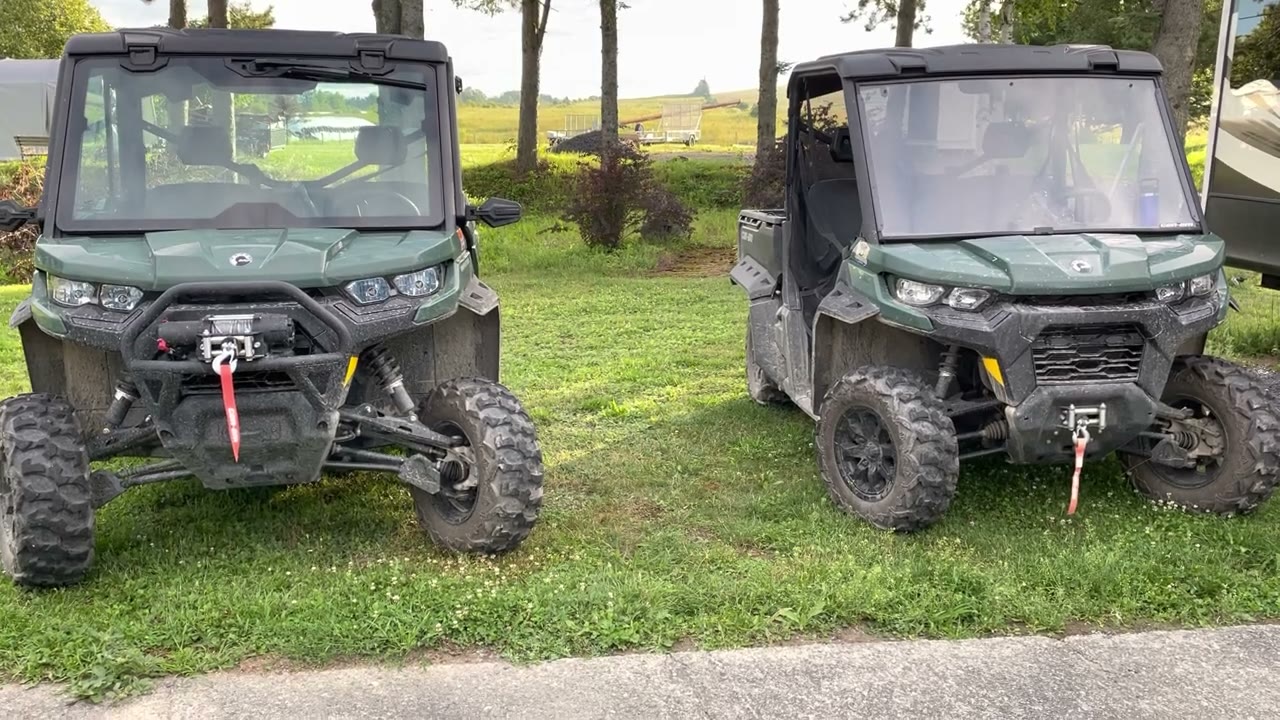
Caption: Soft doors can add cold-weather protection without starting from a premium full-cab trim.
15. Fender Flares, Skid Protection And Bumpers
Protection accessories are worth considering if the machine sees brush, rocks, mud, logging roads or tight woods.
Fender flares can help with spray and mud. Skid plates and bumpers protect the machine from impacts and rough terrain. Rock sliders make more sense for certain trail conditions than for basic property use.
Jim's fender flare install video is a good reminder that even simple-looking plastic accessories can have fitment details. The transcript notes that the sport flare kits can look similar on the BRP accessory site, but the kit used on his Defender had additional/larger pieces. Most of the install used screws, dimples and existing plastic, but one front area required drilling from the inside through a moulded location, and the middle piece needed extra attention because the dimples did not line up cleanly.
Useful for:
- rocky trails
- wet woods roads
- mud and spray control
- work sites
- brushy access routes
Watch for:
- added weight
- installation complexity
- whether the accessory solves a problem you actually have
- whether protection affects service access
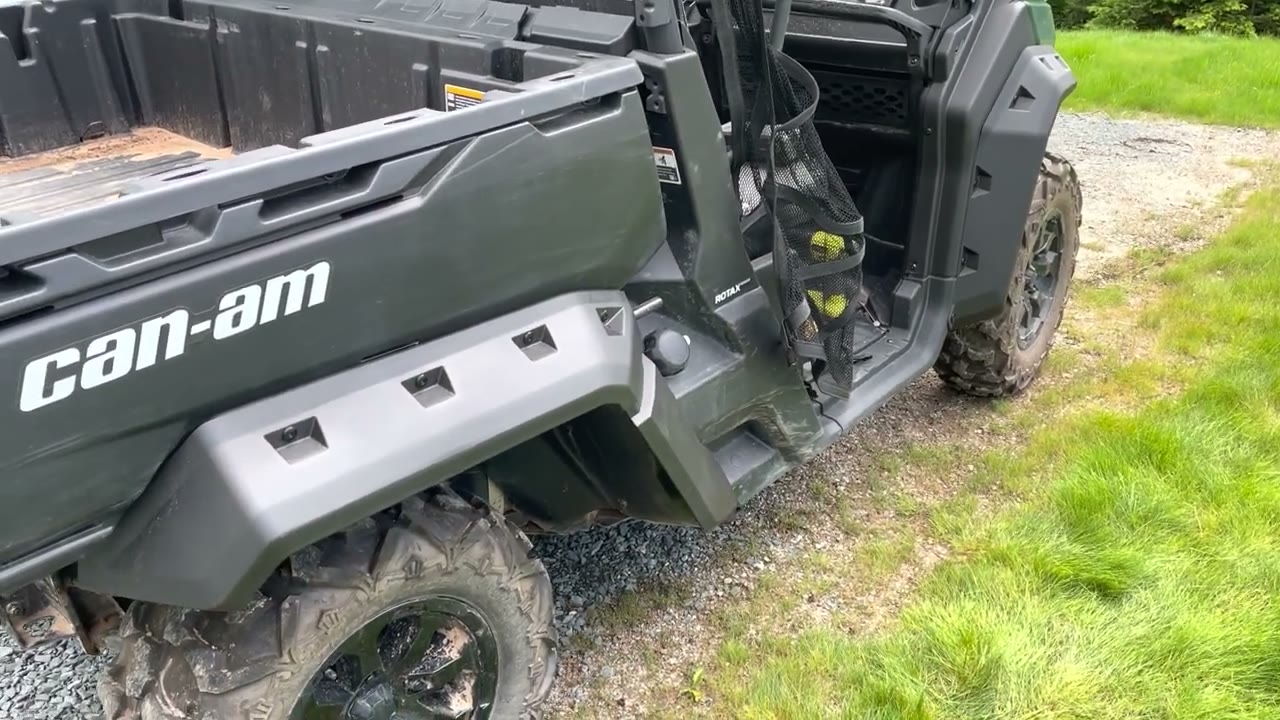
Caption: Fender flares are a practical mud and spray-control upgrade for wet trail and woods-road conditions.
What Can Wait
Some accessories are nice, but not always first-round priorities.
Consider waiting on:
- cosmetic trim
- large rack systems
- power windows
- premium lighting
- specialty hunting or tool mounts
- large coolers or boxes that permanently reduce bed flexibility
There is nothing wrong with these upgrades if they match your use. The point is to avoid spending early money on accessories before you know what problem you are solving.
Suggested Upgrade Order
For a basic open Defender used in Atlantic Canada, a practical order might look like this:
- Roof.
- Winch and recovery kit.
- Centre mirror or side mirrors.
- Windshield matched to your weather and airflow needs.
- Storage for recovery gear, tools and wet clothing.
- GPS mount and keyed power.
- Rear wind protection if the front windshield creates swirl.
- Cargo tie-downs, bed net or cargo box.
- Audio system if long rides, property work or passengers make it worthwhile.
- Lighting based on actual night or winter use.
- Rear accessory bar if it solves a real mounting or storage problem.
- Soft full doors, plow, cab enclosure, heater or other seasonal upgrades if the machine is doing winter work.
That order can change. A snow-clearing machine may need the plow earlier. A trail-only machine may prioritize GPS, recovery gear and storage. A family machine may prioritize comfort and weather protection.
Final Thoughts
The most useful Can-Am Defender accessories are the ones that make the machine easier to use for the work and trails you already do.
Start with weather protection, recovery, visibility and storage. Add navigation and communication if you travel outside dependable cell coverage. Then let the next few rides tell you what is actually missing. That is how this Defender build evolved: basic DPS trim first, dealer roof and winch, then storage, mirrors, windshield, GPS mounting, lighting, protection, snow equipment, soft doors and comfort upgrades as the use case became clearer.
A Defender can absorb a lot of accessory money. The better approach is to build it in layers: solve the obvious problems first, keep the bed and cab flexible, and verify fitment before ordering anything model-specific.
Sources And Verification
- Can-Am Off-Road Canada official accessory store: https://can-am-shop.brp.com/off-road/ca/en/
- Can-Am Defender windshields and wind protection: https://can-am-shop.brp.com/off-road/ca/en/defender/accessories/windshields-wind-protections.html
- Can-Am side-by-side winches and hitches: https://can-am-shop.brp.com/off-road/ca/en/accessories/sxs-accessories/winches-hitches.html
- Can-Am 2026 Defender HD11 model information: https://can-am.brp.com/off-road/ca/en/models/sxs/utility-rec/defender-hd11.html/trim/defender-xt-hd11
- Can-Am side-by-side accessory overview: https://can-am.brp.com/off-road/us/en/owners/riding-tips/sxs-must-have-accessories.html
- Existing AvoidingChores Defender accessory post: https://avoidingchores.com/2022-brp-can-am-defender-base-dps-accessories-you-should-get
- Existing AvoidingChores Defender review: https://avoidingchores.com/can-am-2022-defender-dps-hd7-4-month-review